
Tent Sizes Explained: What You Really Need (Not Just What the Label Says)
Choosing the right tent size can make or break a camping trip. Go too small and everyone feels cramped. Go too big and you’re hauling unnecessary weight and fighting a massive pitch in the wind.
The truth? Tent capacity numbers are optimistic. A “4-person tent” rarely sleeps four people comfortably — at least not with real-world gear.
In this guide, we’ll explain how tent sizing really works and help you pick the right size for your trips.
🏕️ How Tent Capacity Really Works
Manufacturers rate tents by how many standard sleeping mats can fit side-by-side — not by comfort.
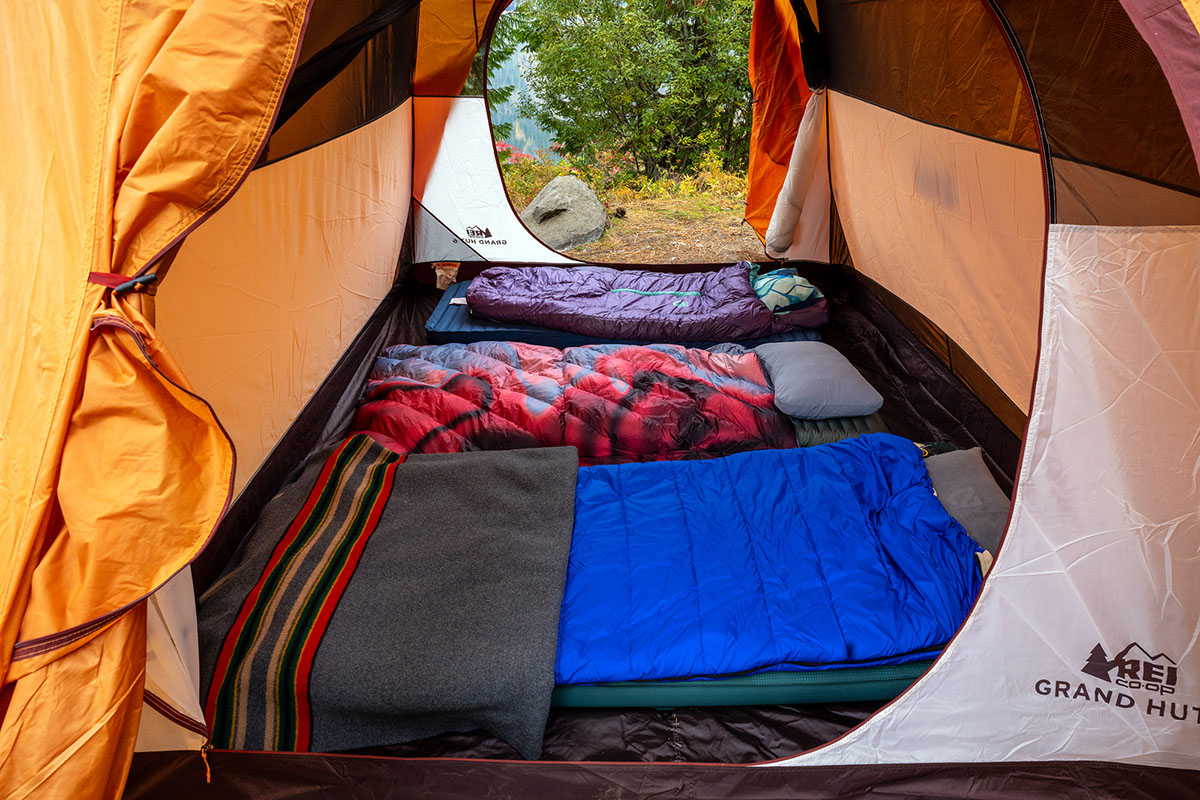
What the rating assumes:
- Everyone uses narrow sleeping mats
- No gear inside
- No wriggle room
- No bad weather days spent indoors
👉 Real talk: A 4-person tent fits four people only if you’re packed like sardines.
🎯 The Golden Rule for Tent Size
For comfort camping:
👉 Add +1 or +2 people to your actual group size.
For backpacking/lightweight trips:
👉 Add +1 person if you want some breathing room.
Examples
| Group Size | Comfortable Tent Size |
|---|---|
| Solo camper | 2-person tent |
| Couple | 3-person tent |
| Family of 3 | 4–5 person tent |
| Family of 4 | 5–6 person tent |
This simple rule prevents 90% of “our tent is too small” regrets.
👨👩👧👦 Family Camping: Space Matters More Than You Think
If you’re camping with kids, dogs, or lots of kit, size becomes even more important.
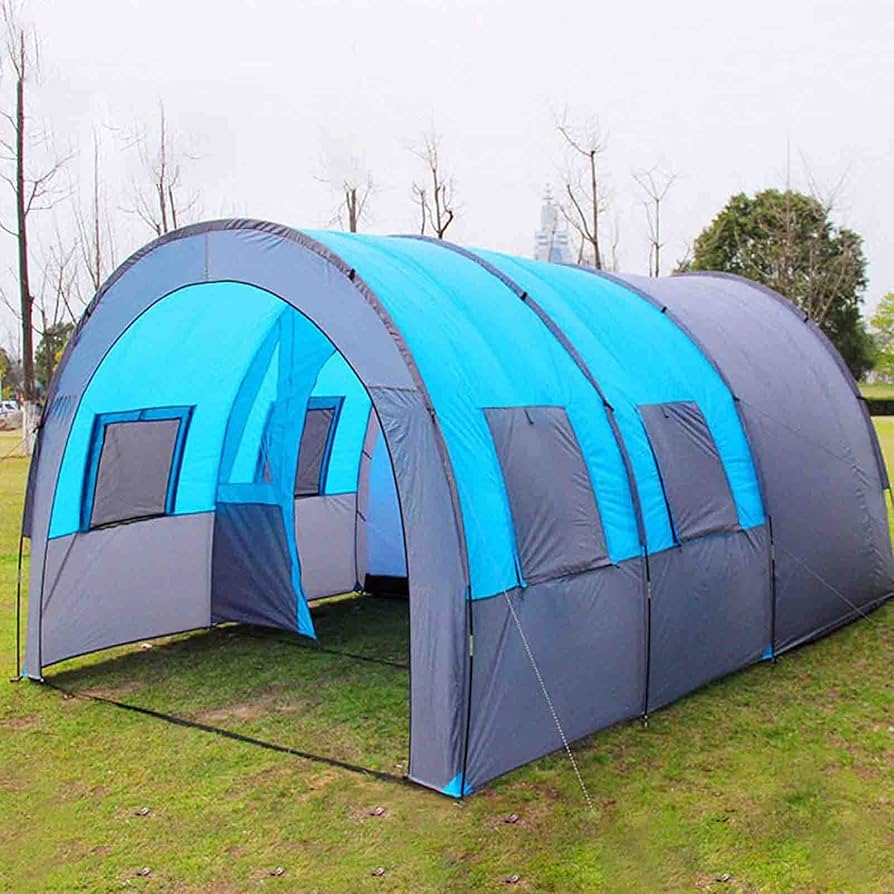
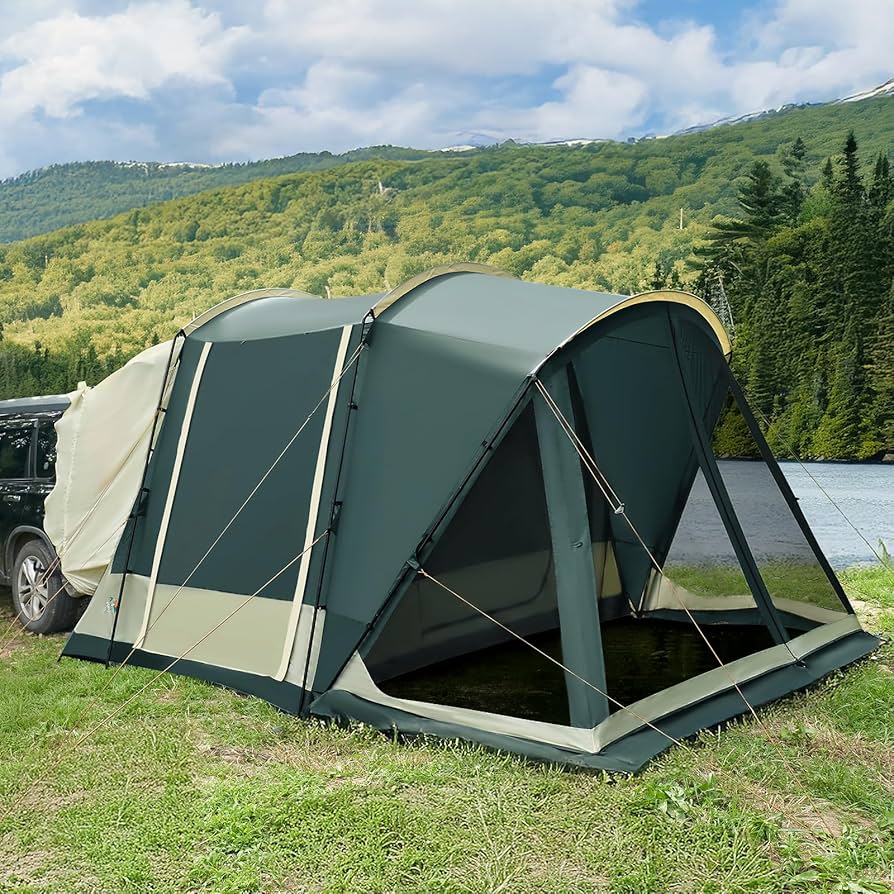
Why families should size up:
- Wet days mean time spent inside
- Kids spread out toys and gear
- You’ll want standing room
- Storage space reduces clutter
- Better separation for sleeping
👉 UK weather reality: Always plan for at least one rainy day stuck in the tent.
Recommended minimums:
- Family of 3 → 5-person tent
- Family of 4 → 6-person tent
- Family of 5 → 8-person tent
🎒 Backpacking vs Campsite Tents
Your ideal size depends heavily on how you camp.
🥾 Backpacking / Hiking Tents
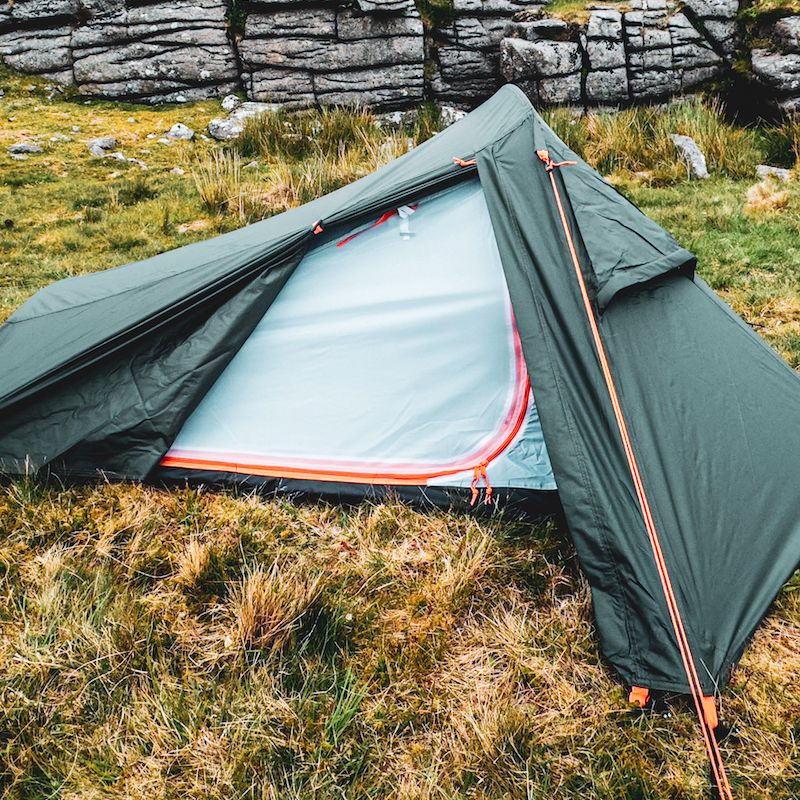
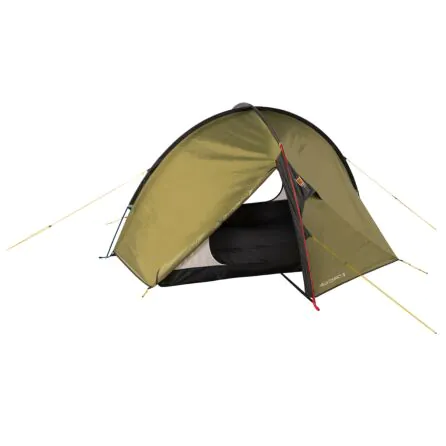
Priorities:
- Low weight
- Small pack size
- Quick pitch
- Weather resistance
Size advice:
- Solo → 1P or 2P
- Couple → 2P or 3P
- Minimal gear inside
👉 Here, going too big is a real downside.
🚐 Campsite / Family Tents
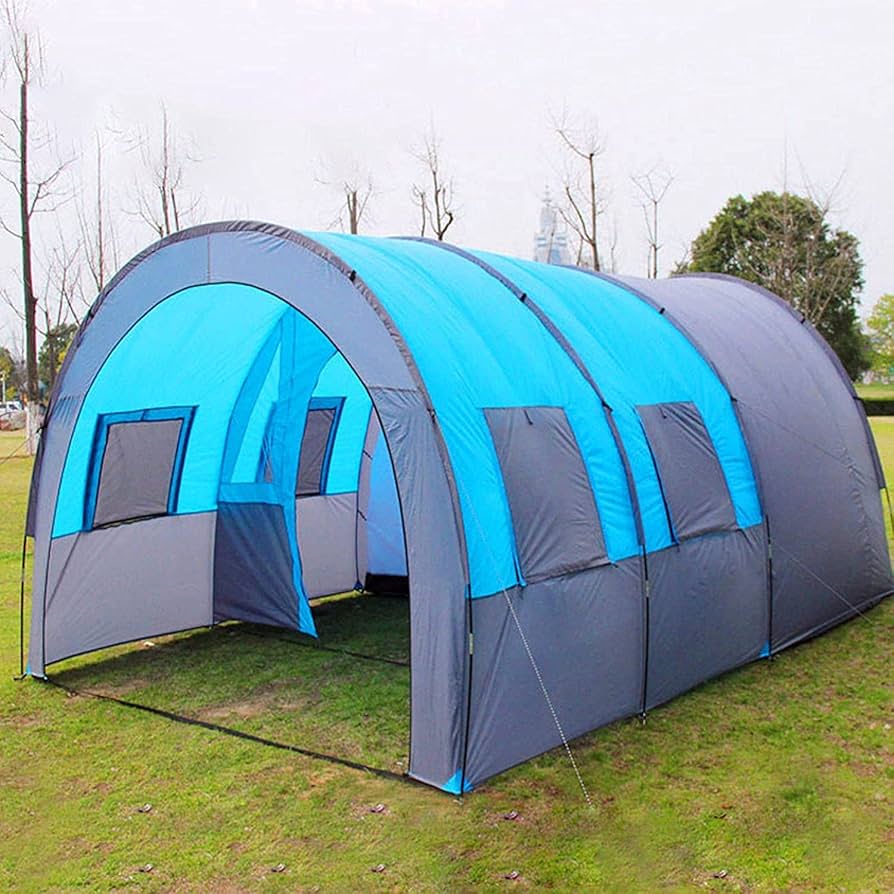
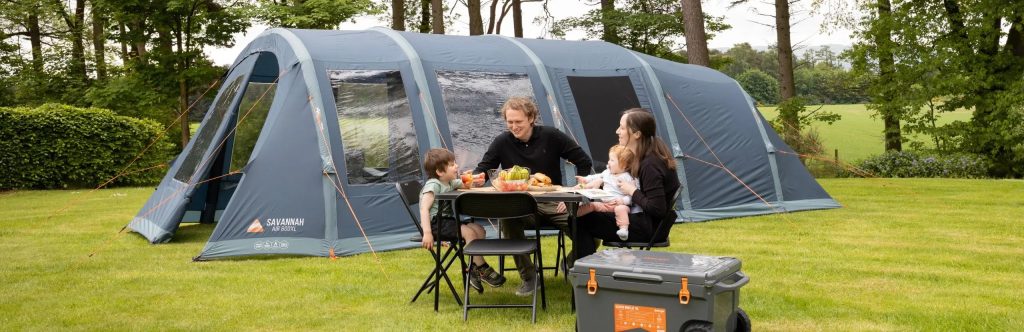
Priorities:
- Comfort
- Headroom
- Living space
- Storage
Size advice:
- Always size up
- Look for porch/living areas
- Standing height is a game changer
👉 On a campsite, bigger is usually better (within reason).
📏 Key Measurements to Check (Beyond Person Rating)
Don’t just look at the “X-person” label. Check these:
Peak Height
- Under 120 cm → crawling only
- 120–170 cm → crouching
- 180 cm+ → standing room (luxury!)
Bedroom Width
Allow per person:
- Minimum: 60 cm
- Comfortable: 70–75 cm
- Luxury: 80 cm+
Porch / Living Area
Ask yourself:
- Where will muddy boots go?
- Where will you cook if it rains?
- Where will wet coats dry?
👉 A small porch makes a big difference in UK conditions.
⚠️ Common Tent Size Mistakes
❌ Buying exactly your group size
→ Leads to cramped nights
❌ Ignoring gear space
→ Bags end up under your feet
❌ Forgetting bad weather days
→ Cabin fever hits fast
❌ Going huge for short trips
→ More pitching hassle than benefit
🧭 Quick Buying Guide
Weekend couple trips:
→ 3-person tent sweet spot
Family weekends:
→ 6-person tunnel or air tent
Solo hiking:
→ Lightweight 1–2 person
Festival camping:
→ Small and simple (you won’t be inside much)
Final Thoughts
When it comes to tents, comfort beats the number on the bag.
If you remember one thing, make it this:
👉 Tent ratings are survival numbers — not comfort numbers.
Size up based on how you actually camp, how much ge