 Harry

Good food makes a camping trip. A bacon sandwich on a cold morning or a proper hot dinner after a long walk can turn a soggy weekend into a great one. But walk into any outdoor shop and the choice of camp cooking equipment is overwhelming.
This guide cuts it down to what you actually need, whether you’re car camping with the family or cooking in a caravan awning, and what you can happily leave at home.
1. A stove: the heart of your camp kitchen
For most family and car camping, a double-burner gas stove is the best choice. Two rings means you can boil the kettle while cooking, and they’re stable enough for proper pans.
- Double-burner camping stove: the all-rounder for car camping. Look for a built-in windshield and a grill if you like toast.
- Single-burner cartridge stove: the classic “suitcase” style stove using screw-in or push-in gas canisters. Cheap, compact and great as a backup.
- Lightweight backpacking stove: tiny and light, but only really suitable for boiling water and simple one-pot meals.
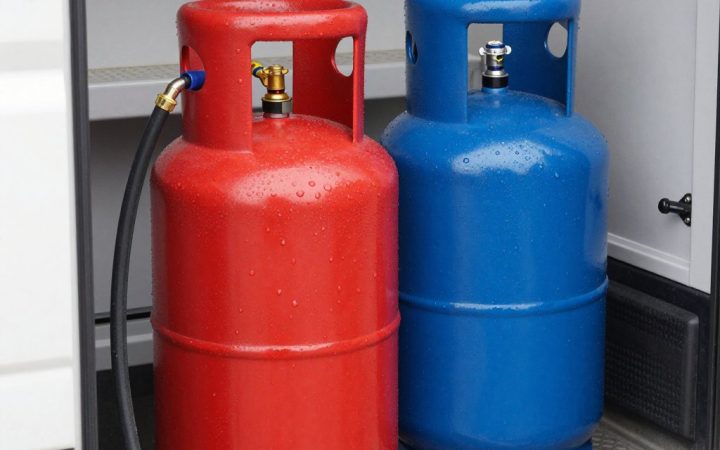
Check what gas your stove takes before you buy, and think about the weather. Our guide to butane vs propane explains why some gas struggles on cold mornings.
2. Pots, pans and a kettle
You don’t need a huge set. For a family of four, this covers almost everything:
- One medium saucepan with a lid
- One frying pan, non-stick makes washing up far easier
- A camping kettle (whistling ones are handy)
A nesting camping cookware set, where pans, lids and sometimes plates stack inside each other, saves a lot of space in the car. Aluminium is light and heats quickly; stainless steel is heavier but tougher.
If you have electric hook-up, a low-wattage electric kettle saves gas, but check its wattage against the site’s supply first.
3. Utensils and tableware
- Spatula, serving spoon, tongs and a sharp knife (with a cover)
- Small chopping board
- Tin opener and bottle opener
- Plates, bowls and mugs, ideally melamine or enamel, which don’t break
- Cutlery for everyone
- A camping utensil set in a roll-up case keeps everything together
4. Keeping food cold
A decent cool box makes a big difference on trips longer than a night or two.
- Passive cool box with ice packs: cheap and simple. Good ones keep food cool for a day or two.
- Electric cool box: runs from the car’s 12V socket and from mains hook-up on site. Brilliant if you have electric.
- Compressor fridge: the most effective option, but expensive and heavy.
Tip: freeze bottles of water to use as ice packs. They keep things cold, then you can drink them.
5. A kitchen area
Cooking on the ground is uncomfortable and less safe. A simple camping kitchen stand or a sturdy folding table raises the stove to a comfortable height and gives you somewhere to prepare food.
A windshield is worth having too. Even a light breeze can double the time it takes to boil a kettle.
6. Washing up
- Collapsible washing-up bowl
- Biodegradable washing-up liquid
- Sponge, scourer and tea towels
- Rubbish bags. Always take your rubbish home or use the site’s bins.
Camp cooking safety
- Never cook inside a tent, and never bring a stove or BBQ inside for warmth. Carbon monoxide can kill. See our cold-weather camping guide.
- Cook on a stable, level surface, well away from tent fabric and guy lines.
- Change gas canisters outdoors, away from flames, and check the seal.
- Keep children and dogs well clear of the cooking area.
- Keep a bowl of water or a small fire blanket nearby.
Camp cooking kit checklist
- ☐ Stove and spare gas
- ☐ Lighter or matches (and a spare)
- ☐ Saucepan, frying pan and kettle
- ☐ Utensils, sharp knife and chopping board
- ☐ Plates, bowls, mugs and cutlery
- ☐ Cool box and ice packs
- ☐ Kitchen stand or table, and a windshield
- ☐ Washing-up bowl, liquid, sponge and tea towels
- ☐ Rubbish bags
- ☐ Easy first-night meal ingredients
Start with the basics, add to your kit as you learn what you use, and you’ll be eating like kings on your next trip.
Frequently asked questions
Should I buy camp cooking gear from Amazon?
Amazon is a convenient place to buy camping cookware because you can compare lots of options and read reviews from other campers. Stick to well-known outdoor brands, check the gas type a stove uses, and read recent reviews before buying. Outdoor shops are also worth visiting if you want to see a stove or cool box in person first.
What is the best camping stove for a family?
For most family car camping, a double-burner gas stove with a built-in windshield is the best choice. It lets you cook two things at once and is stable enough for full-size pans.
Can I cook inside my tent if it is raining?
No. Never cook inside a tent or use a stove or BBQ inside one, even when it is raining. Stoves and BBQs give off carbon monoxide, which can be fatal. Cook outside under a well-ventilated shelter or canopy instead.