 Harry

Camping in spring, autumn or even winter can be magical: quieter sites, crisp mornings and cheaper pitches. But a cold night in a tent can also be truly miserable if you’re not prepared. The secret is simple: it’s what’s underneath you that matters most.
Here’s how to stay warm when camping in the cold.
1. Insulate from the ground first
Most people buy a warmer sleeping bag and are still cold, because the ground is sucking heat out of them. Your body weight squashes the sleeping bag underneath you, so it does very little. Insulation from below has to come from your mat.
Look at the mat’s R-value, a standard measure of insulation:
- R 1–2: summer only
- R 2–4: three-season use (spring to autumn)
- R 4+: cold nights and winter camping
You can stack mats to add the R-values together: for example, a closed-cell foam mat underneath a self-inflating mat. Air beds look comfortable but are notoriously cold, because the air inside cools down. If you use one, put a blanket or foam mat on top of it.
2. Choose the right sleeping bag
Sleeping bags sold in the UK and Europe are usually tested to a standard (EN 13537 or ISO 23537) with these ratings:
- Comfort: the temperature at which an average person will sleep comfortably. This is the number to use.
- Limit: the lowest temperature at which someone can sleep curled up without being too cold.
- Extreme: a survival rating only. Ignore this when buying.
Choose a bag with a comfort rating a few degrees lower than the coldest night you expect. A sleeping bag liner or a blanket over the top can add a few degrees of warmth cheaply.
3. Dress properly for bed
- Wear dry clothes. Change out of anything you’ve worn during the day, as even slight dampness from sweat will chill you.
- Wear a base layer, thick socks and a hat. You lose lots of heat from your head.
- Don’t overdo it: too many bulky layers can compress the sleeping bag’s insulation and actually make you colder.
4. Warm up before bed
- Eat a proper meal. Your body needs fuel to make heat. A snack before bed helps too.
- Have a warm drink, but go easy on the alcohol, which makes you feel warm but actually lets heat escape.
- Do a few minutes of light exercise (a brisk walk or star jumps) so you get into bed warm. A sleeping bag only keeps heat in; it doesn’t create it.
- Go to the loo before bed, so you’re not getting up at 3am.
5. The hot water bottle trick
A hot water bottle filled before bed and tucked in by your feet or core is one of the simplest, most effective ways to stay warm. Use a proper bottle with a cover, not a drinks bottle.
6. Manage condensation
It feels wrong, but keep the tent’s vents open. Every person breathes out a surprising amount of moisture overnight. Without ventilation it condenses on the inside of the tent and drips onto your bedding, and damp bedding is cold bedding.
7. Never use gas or BBQs inside a tent
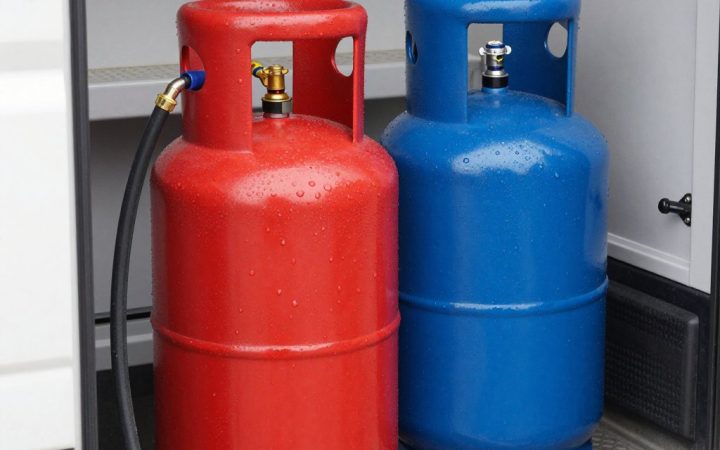
This is the most important point in this guide. Never bring a disposable BBQ, gas heater, stove or anything that burns fuel into a tent or awning to keep warm, even after it’s “gone out”. They give off carbon monoxide, which is invisible, has no smell and can kill. Sadly, people die this way in the UK every year.
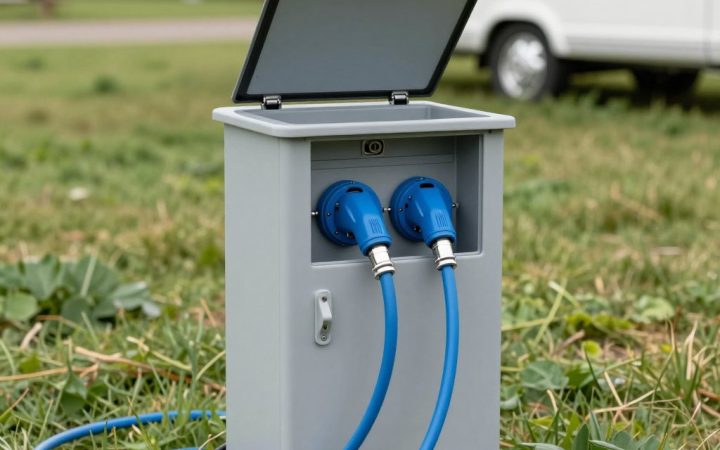
If you want heat, choose a site with electric hook-up and use a low-wattage electric heater designed for camping, with tip-over protection. Our electric hook-up guide explains how much power you can use. A battery-powered carbon monoxide alarm is a sensible extra for any tent, awning or caravan.
8. Pick the right site
For cold-weather trips, choose a site with:
- Electric hook-up
- Heated toilet and shower blocks
- Sheltered, well-drained pitches
- Perhaps a pub within walking distance
Cold-weather kit checklist
- ☐ Insulated mat (R 4+), or mats stacked
- ☐ Sleeping bag rated for the conditions (comfort rating)
- ☐ Liner or extra blanket
- ☐ Base layers, fleece, hat and thick socks for sleeping
- ☐ Hot water bottle
- ☐ Head torch with spare batteries (cold drains them)
- ☐ Carbon monoxide alarm
Get the basics right, especially the mat, and cold-weather camping becomes cosy rather than miserable.