 Harry

Your first caravan trip is exciting, and a little nerve-wracking. The good news is that almost everything that goes wrong on a first trip comes down to something forgotten at home. Work through this checklist and you’ll arrive relaxed, set up quickly and actually enjoy your first night away.
A week or two before
- ☐ Check your weights. Make sure the caravan is within your car’s towing limit and gross train weight. Our 85% towing rule guide explains how.
- ☐ Tell your insurer you’ll be towing, and arrange caravan insurance.
- ☐ Book a site. For a first trip, choose a well-equipped site with hard-standing pitches, an easy approach and helpful staff, not too far from home.
- ☐ Check the tyres: age, tread and pressure. See our caravan tyre safety guide.
- ☐ Practise reversing in a quiet car park if you can.
- ☐ Fit and test towing mirrors.
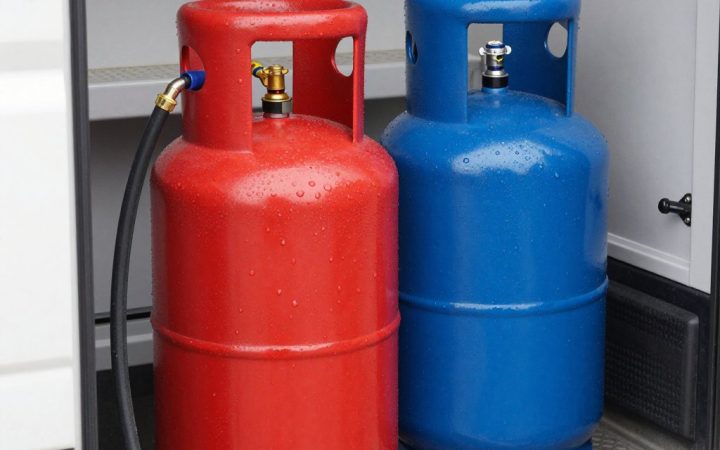
- ☐ Charge the leisure battery and check the gas level.
Essential kit to pack
Site and setup
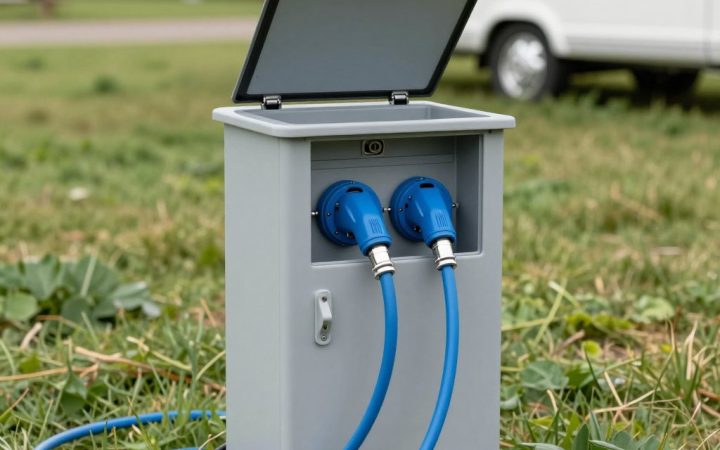
- ☐ Electric hook-up cable (25m, with blue plug both ends)
- ☐ Levelling ramps and a spirit level
- ☐ Corner steady winder/brace
- ☐ Fresh water container (e.g. Aquaroll) and waste water container (e.g. Wastemaster)
- ☐ Hose for filling, and a funnel
- ☐ Toilet chemicals (blue for the waste tank, pink for the flush)
- ☐ Gas cylinder and spanner, if needed for your regulator
- ☐ Wheel lock and hitch lock
- ☐ Torch or head torch
Inside the caravan
- ☐ Bedding and pillows
- ☐ Towels
- ☐ Basic cooking kit: pan, kettle, utensils, plates, mugs (see our camp cooking equipment guide)
- ☐ Washing-up bowl, liquid and tea towels
- ☐ Food for the first night and breakfast
- ☐ Toilet roll (ideally a quick-dissolving type for cassette toilets)
- ☐ First aid kit
- ☐ Phone chargers
Useful extras
- ☐ Camping chairs and a table
- ☐ Doormat
- ☐ Waterproofs and wellies (it’s the UK!)
- ☐ Board games or cards for rainy evenings
Loading the caravan
- Heavy items low down and over the axle
- Light items in the high lockers
- Nothing loose that can fly around
- Water tanks empty for travelling
- Check the noseweight once packed
Before you pull away
- ☐ Hitch up and check the coupling is fully locked on (the indicator should show green on most stabiliser hitches)
- ☐ Breakaway cable attached to the car
- ☐ 13-pin electric cable connected
- ☐ Lights tested: indicators, brake lights, sidelights, fog light
- ☐ Jockey wheel fully raised and clamped
- ☐ Corner steadies up
- ☐ Handbrake off
- ☐ Roof lights, windows, door and lockers all closed and locked
- ☐ TV aerial down
- ☐ Gas off
- ☐ Fridge set to 12V (if it runs while towing)
- ☐ Caravan step stowed
Arriving on site
- Check in at reception and ask about pitch layout and facilities.
- Position the caravan on your pitch, ideally with the door facing away from the prevailing wind and towards your outlook.
- Level side to side using ramps, then unhitch.
- Level front to back using the jockey wheel.
- Lower the corner steadies. They stabilise the caravan; they aren’t jacks.
- Connect the hook-up: plug in at the caravan end first, then the bollard.
- Turn on the gas, then fill the water and connect the waste.
- Put the kettle on. You’ve earned it!
Don’t worry about getting it wrong
Every caravanner was a beginner once, and most are happy to help. If you’re struggling to reverse onto a pitch, someone will probably wander over and offer to guide you. Take your time, keep a printed copy of this checklist in the car, and you’ll be a seasoned pro after a couple of trips.